Which RFQ Details Matter When Ordering Carbon Crystal Wall Panel?
A carbon crystal wall panel RFQ should clearly state the project application, wall area, panel structure, surface finish, color, panel size, thickness or section requirement if controlled by the project, installation method, edge treatment, matching fittings, sample approval, packing, quantity and documentation expectations. Buyers should not rely on the material name alone, because “carbon crystal” may be used differently by different suppliers. For Dongfanglong’s Carbon Crystal Decorative Wall Panels, the practical procurement goal is to make quotations comparable by defining the interior cladding use, visible finish, installation boundary and supplier evidence before production or bulk shipment.
Define the Interior Project Before Asking for Panel Price
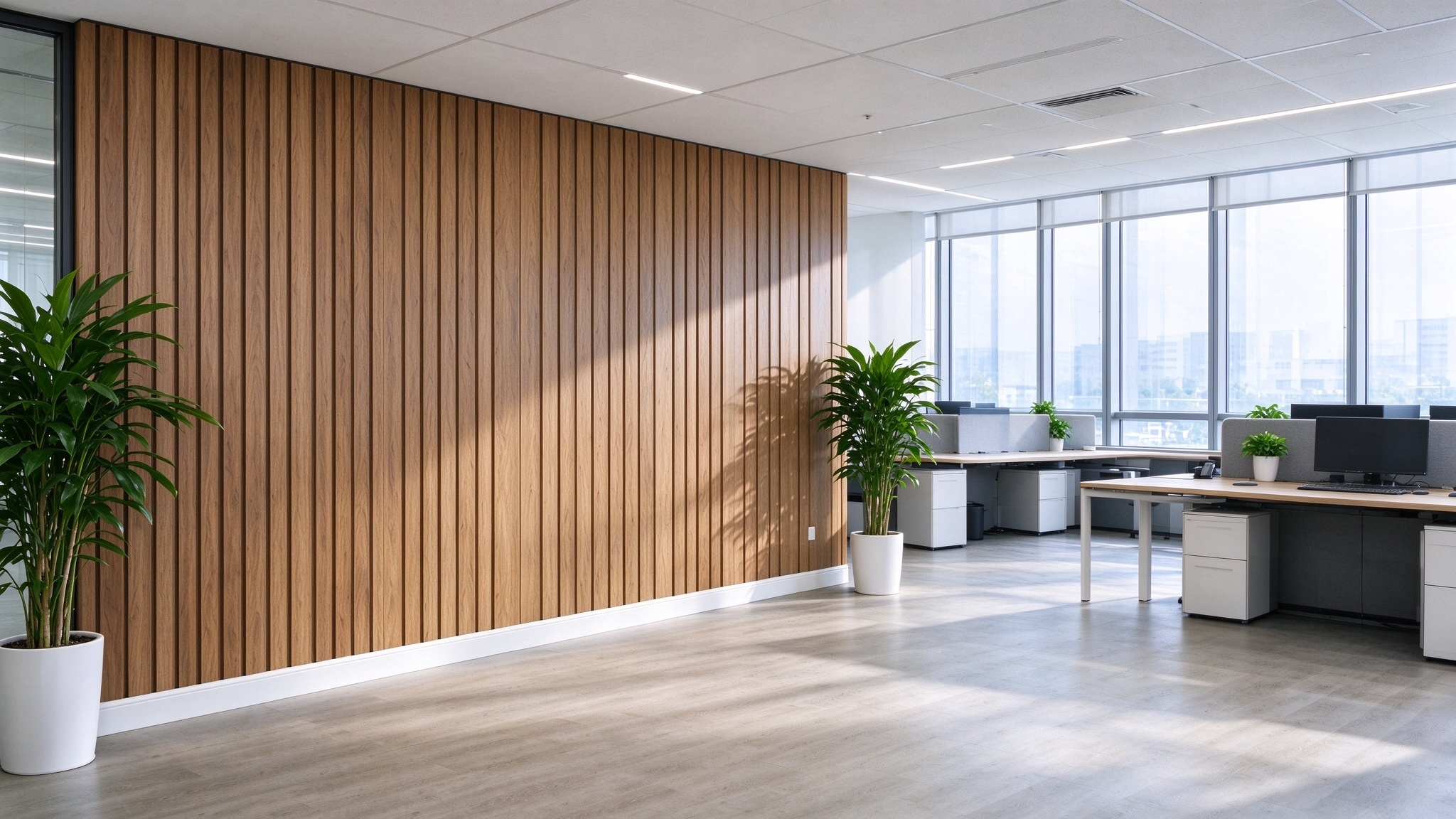
The first RFQ detail is the project use. Carbon crystal wall panels may be considered for residential renovation, hotel corridors, office feature walls, retail fit-out, commercial partitions or coordinated wall-and-ceiling interiors. These applications do not create the same quotation even when the same panel name appears in the inquiry.
A hotel corridor may require repeatable color, impact-resistant corners, clean edge transitions and phase-based delivery. A retail feature wall may prioritize visual texture and fast installation. A residential renovation project may need smaller quantities, flexible cutting and simple accessories. A developer or distributor may need product samples, packaging information and a repeatable SKU structure for future projects.
Dongfanglong’s Wall Decorative Panels category is the correct product-family entry point for this topic. It allows buyers to understand the wider interior cladding range before evaluating the specific Carbon Crystal Decorative Wall Panels page.
The buyer should avoid an RFQ that says only “carbon crystal wall panel price.” That leaves the supplier to guess the application, surface finish, panel size, installation fittings and packing scope. The first comparison should be project-fit, not price.
Confirm What “Carbon Crystal” Means in the Quoted Product
“Carbon crystal wall panel” can be a confusing buying term because suppliers may use it as a product name, decorative board category, substrate description or marketing phrase. The buyer should ask the supplier to define the quoted panel structure in practical terms: visible surface, core or base layer, back structure, edge condition, installation groove or fitting method, and the product’s intended interior use.
This is not a request for unsupported claims. It is a requirement for clarity. A buyer comparing carbon crystal panels against WPC wall panels, bamboo-wood fibre boards or fluted decorative panels needs to know what physical product is being quoted.
The RFQ should ask for:
- product name and target product page;
- panel structure or cross-section information;
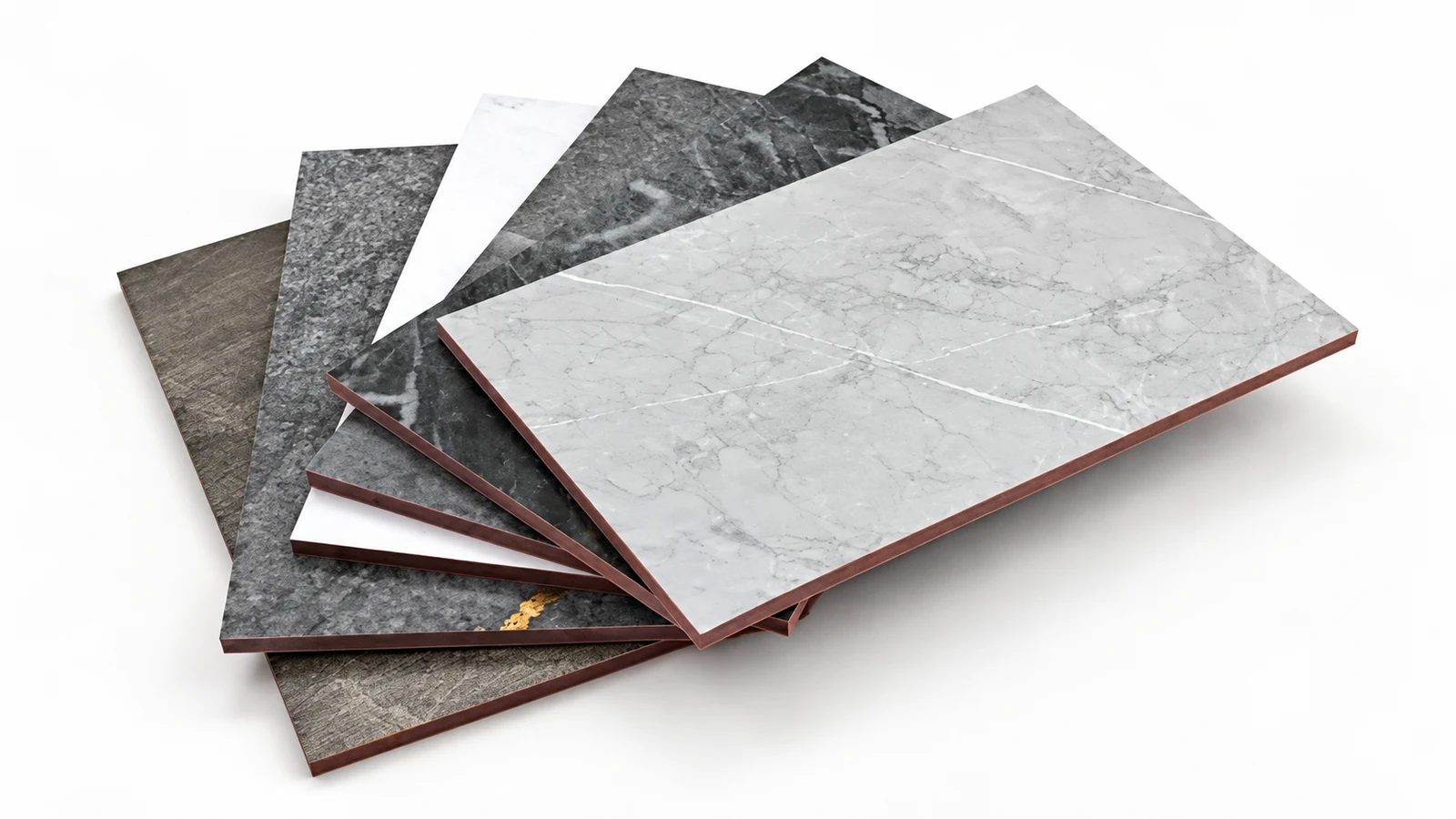
- available surface finishes and sample references;
- installation method and compatible fittings;
- edge treatment and corner/termination options;
- intended indoor application boundary;
- documents available for the quoted model.
Without these details, two quotations using the same keyword may describe different wall panel systems. One quote may include only loose panels, while another includes matching trims or installation fittings. A third may propose a different decorative-material product entirely.
Wall Area, Panel Size and Cutting Plan Control Quantity
Quantity for wall panels should not be calculated only from total square meters. The buyer should provide wall elevations, height, width, door and window openings, corner conditions, column returns, joint direction and cutting layout. These details determine how many full panels, cut panels and trims are needed.
Panel size interacts with visible joint rhythm. A large panel may reduce joint lines but require different handling, packaging and cutting. A smaller panel may be easier to handle but can create more joints. If the project has a strict design grid, the panel layout must match that grid before the supplier quotes quantity.
Cutting loss should be discussed openly. If the buyer provides only a rough area number, suppliers may calculate material differently and the quotations become non-comparable. One supplier may include conservative waste allowance; another may quote only net panel area. The cheaper offer may then become more expensive on site when additional panels are needed.
The RFQ should therefore include either a drawing package or a simple wall schedule. The supplier response should state the quantity basis: gross area, net area, panel count, spare allowance if included, and whether trims or fittings are counted separately.
Surface Finish and Batch Consistency Affect the Visible Result
Wall panels are judged visually after installation. Surface finish, color, texture direction, gloss, pattern repeat, batch consistency and lighting condition all affect project acceptance. A panel that looks acceptable in a sample photo may look different on a large wall under project lighting.
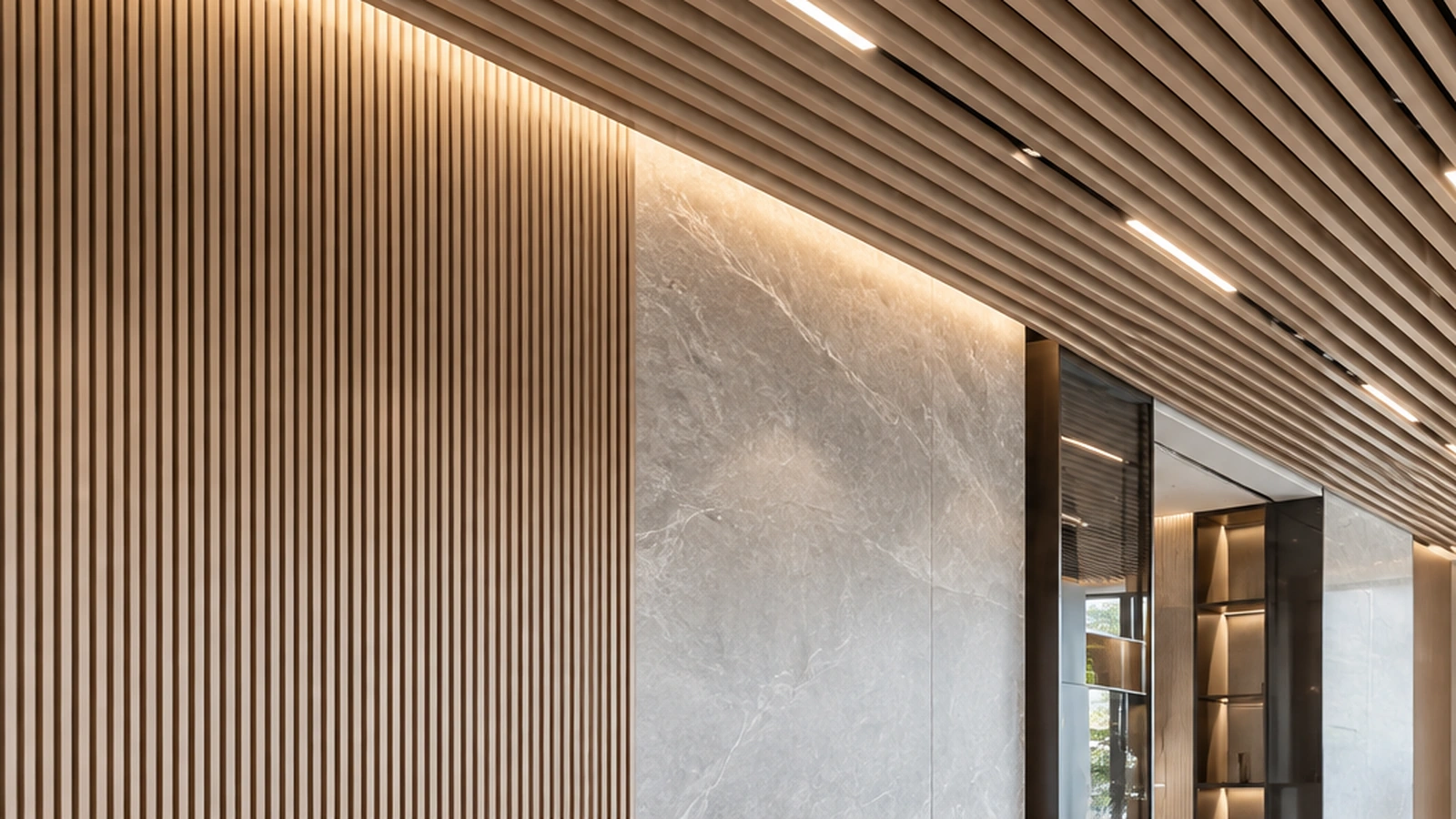
Buyers should request physical samples or sample boards before bulk approval. The sample should be evaluated under lighting conditions similar to the project when possible. If the panel will be installed beside WPC fluted panels, ceiling tubes, skirting, moulding or other decorative profiles, the color relationship should be checked as a system.
Batch control is also a procurement issue. If a project is delivered in multiple batches or floors, a slight color or texture difference can become visible across a corridor or lobby. The RFQ should ask how sample reference, production batch, package labeling and receiving inspection will be controlled.
The current source data verifies Dongfanglong’s product categories and target pages, but it does not verify a specific color-control process. Therefore, the article should treat batch consistency as a buyer confirmation point rather than a company capability claim.
Installation Method and Fittings Must Be Quoted Separately
Carbon crystal wall panels are part of an interior installation system. The visible panel surface is only one part of the purchase. Buyers also need to confirm wall preparation, adhesive or mechanical fixing route if applicable, backing condition, expansion gaps, edge trims, skirting, corner pieces, mouldings and transition details.
Dongfanglong’s catalogue includes wall installation fittings as a separate product family. That matters because a panel-only quote may not include the accessories required to complete the wall. For a contractor or distributor, missing fittings can delay installation or force local substitutions that do not match the panel finish.
Ask the supplier to separate the quotation into:
- main wall panels;
- edge trims and corner profiles;
- skirting or base profiles;
- mouldings or decorative strips;
- recommended installation accessories;
- items supplied by contractor or installer;
- documents or drawings required for installation approval.
This separation makes quotations more transparent. It also prevents the buyer from approving a low panel price while missing the accessories that create the finished wall system.
Performance Claims Require Evidence, Not Assumptions
Decorative wall panels are often associated with claims such as waterproof, fire-resistant, formaldehyde-safe, scratch-resistant, easy to clean or durable. These may be important for a project, but they should not be assumed unless the supplier provides evidence for the exact product and destination requirement.
The RFQ should distinguish between design preference and mandatory performance requirement. A hotel project may need cleaning resistance and installation consistency. A public commercial project may require fire-related documentation. A residential renovation project may focus on indoor use and surface finish. The supplier’s product page alone may not prove every requirement.
| RFQ Requirement | Buyer Should Provide | Supplier Should Confirm |
|---|---|---|
| Application | Residential, hotel, office, retail, partition or other interior use | Whether the panel system fits the intended indoor project |
| Panel structure | Required board type, section or material expectation if specified | Quoted product construction and target product page |
| Visible finish | Color, texture, pattern, gloss and sample reference | Available finish, batch reference and sample approval route |
| Quantity | Wall elevations, area, openings, corners and spare requirement | Panel count, cutting basis and accessory quantity |
| Installation | Substrate, fixing method and site constraints | Compatible fittings, trims and installation document scope |
| Performance evidence | Required fire, moisture, cleaning or environmental documents if any | Documents available for the exact quoted product and model |
The table protects both buyer and supplier. It allows suppliers to provide evidence where they have it, and it prevents buyers from assuming project-critical performance from a product category name.
Packaging and Site Logistics Affect Wall Panel Acceptance
Wall panels are visible finish materials, so packaging and logistics affect final acceptance. Scratches, edge damage, color-batch mixing or poor labeling can create site disputes even if the correct product was manufactured.
The RFQ should specify packaging requirements, panel protection, carton or bundle labeling, batch identification, mixed-color separation, palletization if required, destination handling and whether deliveries are separated by building area, floor or project phase. For distributors, retail-ready or warehouse-friendly packaging may also matter.
Project sites often have limited storage space. If panels arrive without area labels or installation sequence, contractors may waste time sorting materials before installation. If multiple finishes are delivered together, receiving inspection must be able to identify each finish and quantity quickly.
Ask the supplier to describe packing scope and labeling logic inside the quotation. That makes the delivered condition part of the purchase agreement rather than an afterthought.
How Should Buyers Review the Carbon Crystal Decorative Wall Panels Page?
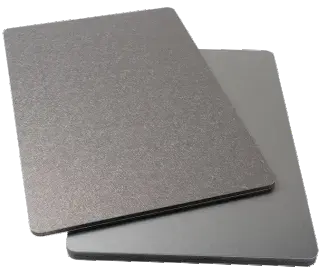
The Carbon Crystal Decorative Wall Panels page should be used as the target product reference for this RFQ topic. It places the product inside Dongfanglong’s Wall Decorative Panels range and connects the inquiry to an actual product detail URL rather than a generic wall-panel keyword.
However, the page should not replace the buyer’s project specification. The buyer still needs to confirm panel structure, size, finish, quantity basis, installation fittings, packaging, sample approval and document requirements. If the project requires a specific performance document, local code approval or environmental declaration, the supplier should be asked to provide evidence for the exact product rather than a general category claim.
This distinction is important because the keyword is material-focused while the buying decision is system-focused. A carbon crystal wall panel order succeeds when the panel, finish, fittings, installation method and delivery scope are aligned.
What Makes Carbon Crystal Wall Panel Quotations Non-Comparable?
Quotations become difficult to compare when suppliers are not pricing the same wall system. Common gaps include:
- the buyer requests carbon crystal wall panel but does not define panel structure;
- finish sample, color and texture direction are not approved before bulk order;
- wall area is provided without elevations, openings or cutting layout;
- trims, skirting, mouldings and installation fittings are excluded by one supplier but included by another;
- performance claims are assumed without model-specific evidence;
- packing and batch labeling are not stated;
- project phases or mixed finishes are not separated in the quotation;
- supplier deviations are not declared before production.
Before comparing price, align product identity, finish, panel count, accessory scope, document scope and packing basis. After that alignment, price and delivery terms can be reviewed without confusing a panel-only quote with a system quote.
When Should Buyers Choose Another Decorative Panel?
A carbon crystal wall panel may not be the right choice when the project requires a different profile depth, a fluted or grating visual effect, a bamboo and wood fibre panel, a WPC ceiling profile, a skirting/moulding system or a performance requirement not supported by the quoted product evidence.
The decision also changes when installation conditions are unusual. Curved walls, wet areas, high-traffic public spaces, fire-controlled zones, exterior exposure or substrate problems may require a different material review or additional project documents. The buyer should not force the product into an application that has not been verified.
In a coordinated interior project, the correct answer may be a combination of products: main wall panels, fluted accents, ceiling tubes, skirting and fittings. The RFQ should make that system clear instead of asking one panel to solve every wall and ceiling detail.
Build the Final RFQ Around the Wall Panel System
A complete carbon crystal wall panel RFQ should include:
- project type and room application;
- wall elevations, area, openings and corner conditions;
- required product page or panel type;
- panel size, structure and thickness requirement if specified by the project;
- surface finish, color, texture and approved sample reference;
- installation method and substrate condition;
- edge trims, skirting, mouldings and matching fittings;
- quantity basis, spare requirement and project phase plan;
- performance documents required by the buyer’s market or project;
- sample approval and receiving inspection method;
- packaging, labeling and delivery requirements;
- supplier assumptions, exclusions and deviations.
Ask suppliers to return the offer as Confirmed Panel / Finish Sample / Accessory Scope / Quantity Basis / Document Scope / Packing Scope / Deviation / Buyer Input Required. Once the wall system is defined, buyers can send the project through Dongfanglong’s contact page with an RFQ that supports real comparison instead of a vague wall-panel price request.