Do WPC Wall Panels Contain PVC? Core and Surface Explained
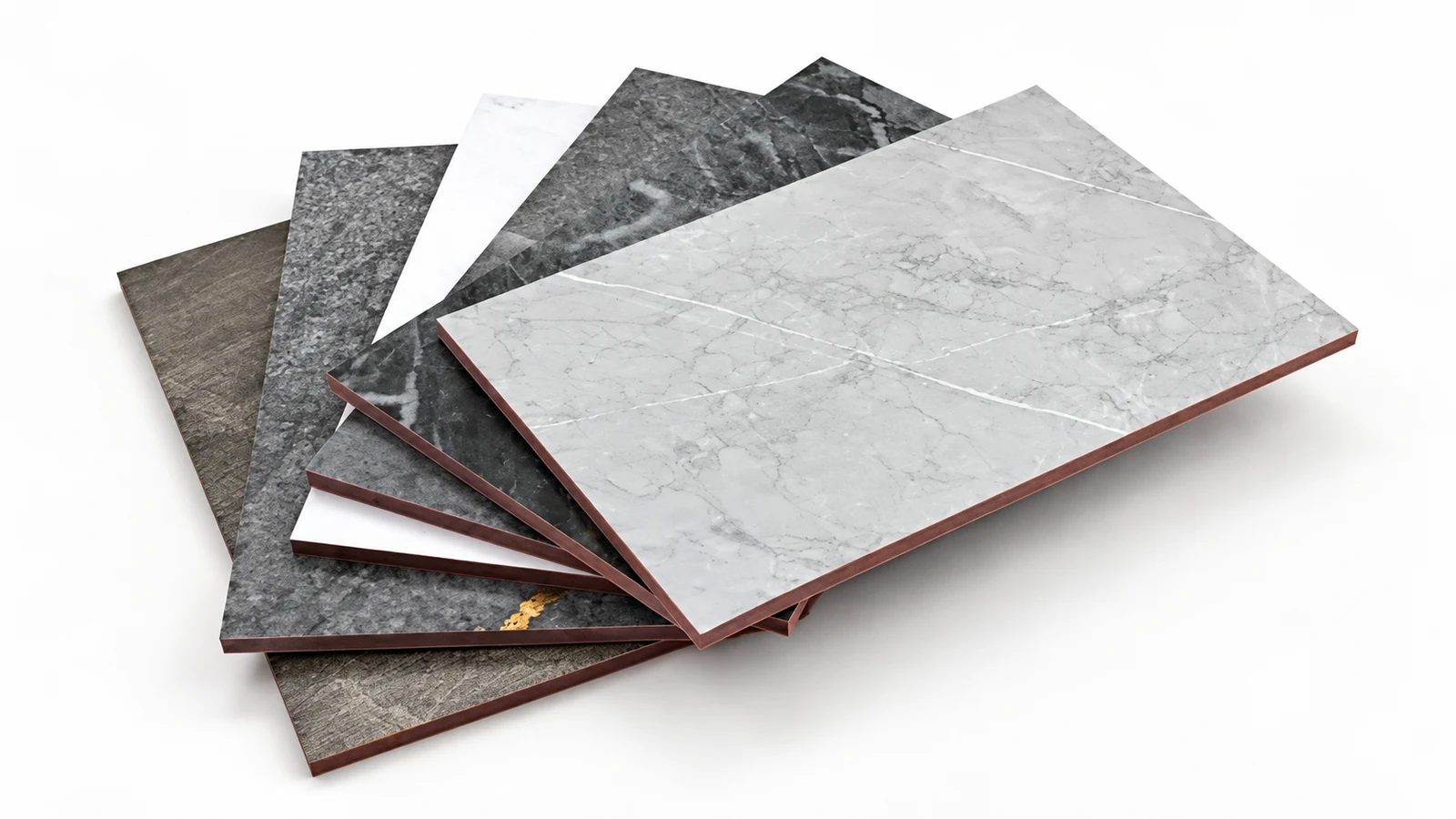
Some WPC wall panels contain PVC. It may be used in the composite core, in the decorative surface film, or in another specified layer. Other WPC products use different plastics, so the name alone does not give a complete answer. For a particular panel, separate two questions: what plastic is in the core, and what material forms the finish? A wood-grain appearance, a white core, or a description such as “PP film” does not answer both questions. Reading the core and surface specifications separately helps distributors, designers and contractors identify what is known about a product and what needs confirmation before it is selected for a PVC-free requirement.
Why WPC Does Not Identify a Single Plastic
WPC stands for wood-plastic composite. The term describes a material made by combining wood fibres or wood flour with plastic and other ingredients. The plastic component can vary: polyethylene (PE), polypropylene (PP) and polyvinyl chloride (PVC) are among the plastics used in wood-plastic composites.
This means that WPC and PVC describe different things. WPC identifies the composite material family; PVC identifies a particular plastic that may be present within it. A WPC wall panel can therefore contain PVC without its description being contradictory.
Where PVC Can Appear in a WPC Wall Panel
The Core or Base Material
The core is the body of the panel beneath any separate decorative finish. In a wood-plastic composite, the plastic forms part of this material alongside the wood component and other specified ingredients. If the core uses PVC, the panel contains PVC regardless of which decorative film is applied over it.
A specification that lists “wood fibre, plastic and mineral powder” describes broad ingredient groups. It leaves the plastic type unresolved. To establish the core composition, look for a named resin or a material statement tied to that product.
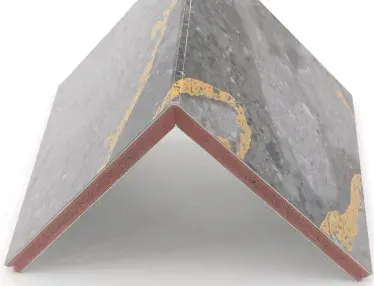
Colour and profile are separate observations. A white core may help identify a product visually, while an exposed edge may show its internal shape. Neither establishes which plastic was used.
The Decorative Film or Surface Coating
A laminated WPC wall panel has a surface layer whose material should be read separately from the base. PVC can be specified for that decorative film. In this case, “PVC-laminated WPC wall panel” describes the finish and the underlying composite together.
Other listed surface materials may include PP or polyethylene terephthalate (PET). If the selected finish is PP, that information identifies the film; it does not establish the composition of the core beneath it. The same distinction applies to a PET finish.
A protective film may also be listed separately from the decorative finish. Record its material so it is included when checking the scope of a PVC-free requirement.
How to Read a WPC Wall Panel Material Description
Dongfanglong’s product descriptions show why the core and finish need separate attention. The following examples explain the information disclosed for two products. Each selected finish still needs to be matched to the panel being considered.
Integrated WPC Wall Panels
The Material entry for integrated WPC wall panels lists wood fibres, plastic and mineral powders, without identifying the resin used in the core. The product description also lists PVC, PP and PET as surface film options, along with a separate PVC protective film.
These entries provide useful starting points, but they do not describe one confirmed combination for every panel. First establish which decorative film belongs to the chosen configuration. Then identify the plastic in the base and clarify the role of the protective film. Listing several film materials does not mean that all of them are present on the same panel.
White-Core WPC Wall Panels
The material description for white-core WPC wall panels includes PVC/polyester film, a PUR hot-melt adhesive layer, a composite substrate and a composite core. These are distinct parts of the panel description.
For this product, establish the actual film used on the selected panel and request clarification of the core material where needed. “White-core” describes its appearance; it cannot substantiate a PVC-free claim. Likewise, the film information should not be used to infer the adhesive or core composition.
| Information available | Reasonable conclusion | Remaining question |
|---|---|---|
| PVC is specified for the selected decorative film. | That finish contains PVC. | What materials are used in the core and other specified layers? |
| PP or PET is specified for the selected film. | The named material applies to that film. | Does a PVC-free statement cover the rest of the panel? |
| The core description says only “plastic.” | The core includes a plastic component. | Which plastic or plastics are used? |
How to Check a PVC-Free Requirement
Define What the Requirement Covers
Begin with the wording of the project requirement. It may concern the decorative surface, the composite core or the complete panel. A statement about a PVC-free film answers the first of those questions. A requirement for a PVC-free wood-plastic composite wall panel needs information covering the finished product.
If a separate protective film is supplied, clarify whether the requirement concerns the product as delivered or the panel after installation. Its removal status must be established before deciding how that film affects the assessment. Use the actual listed construction: different panels do not necessarily have the same layers.
Match the Material Information to the Selected Panel
A useful confirmation connects the following details:
- Product identity. Record the product name or model so the material information can be matched to the panel under consideration.
- Selected finish. Confirm the finish code and its material. A colour name or wood-grain reference identifies appearance but may leave the film type unspecified.
- Core plastic. Ask which plastic is used when the available description gives only a broad term such as “polymer” or “composite.”
- Other relevant layers. Include any adhesive, coating or protective film identified in the product construction, within the scope of the requirement.
- Statement scope. Obtain material information that clearly identifies the product, selected finish and parts covered. If a layer is not covered, seek clarification before treating the whole panel as PVC-free.
Establishing plastic types and the scope of a material statement does not require a complete commercial formulation with ingredient percentages. The immediate question is whether PVC is present in the parts covered by the requirement. A document that identifies only the surface film cannot resolve that question for the whole panel.
Whether a WPC wall panel contains PVC depends on its specified materials, including the core and finish. When reviewing Dongfanglong’s wall panel range, start with the chosen product and finish. To request material details for your selected panel, provide its name, finish reference and the wording of your PVC-related requirement. Those details help focus the discussion on the core, surface and relevant layers of that configuration.